


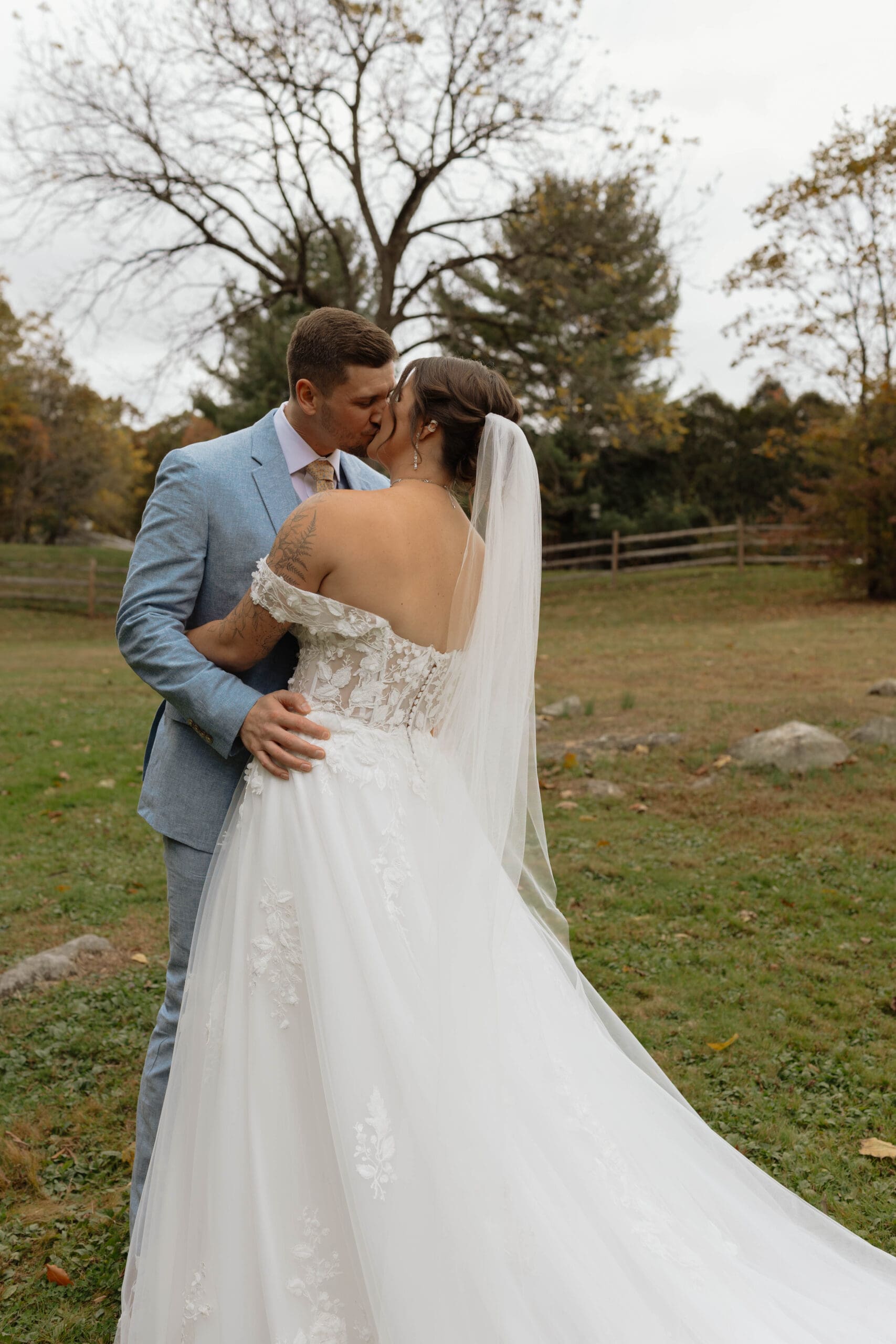
Wedding Photography Timelines: How to Structure Your Day & Make the Most of Every Moment

Planning a wedding day timeline can feel overwhelming! Between hair and makeup, travel time, family photos, and actually enjoying your wedding, it’s easy to worry that the day will feel rushed or chaotic.
The good news? With the right timeline structure—and enough photography coverage—your wedding day can feel calm, intentional, and stress-free.
As a wedding photographer, I’ve seen firsthand how a well-planned timeline completely transforms the wedding experience. Below, I’ll walk you through how to structure your wedding photography timeline, common mistakes couples make, and how to make the most of your day without feeling rushed.
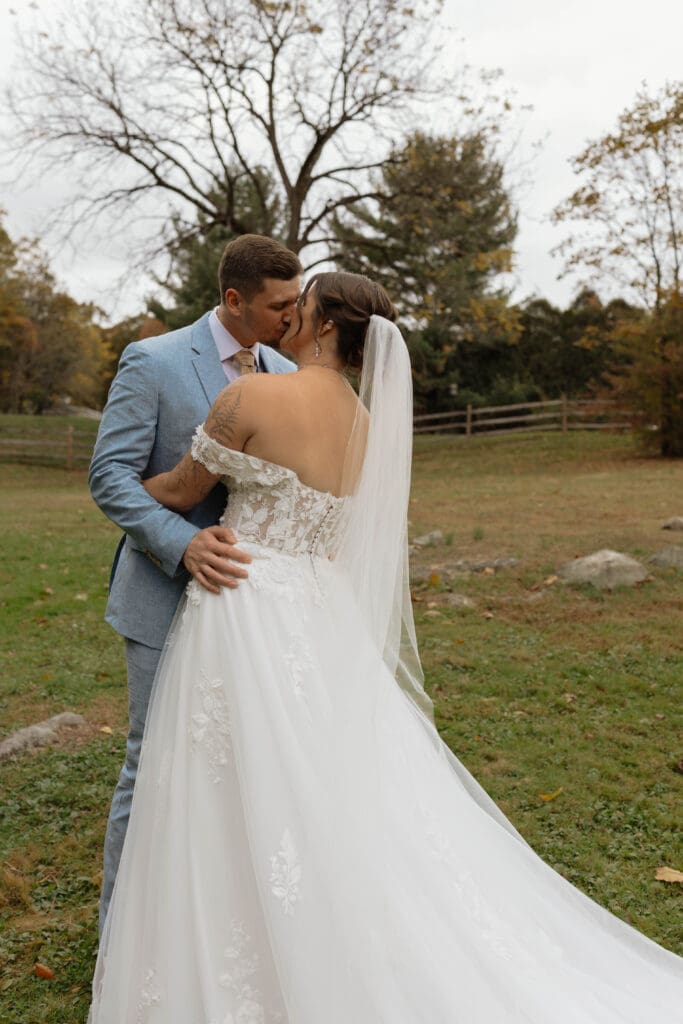
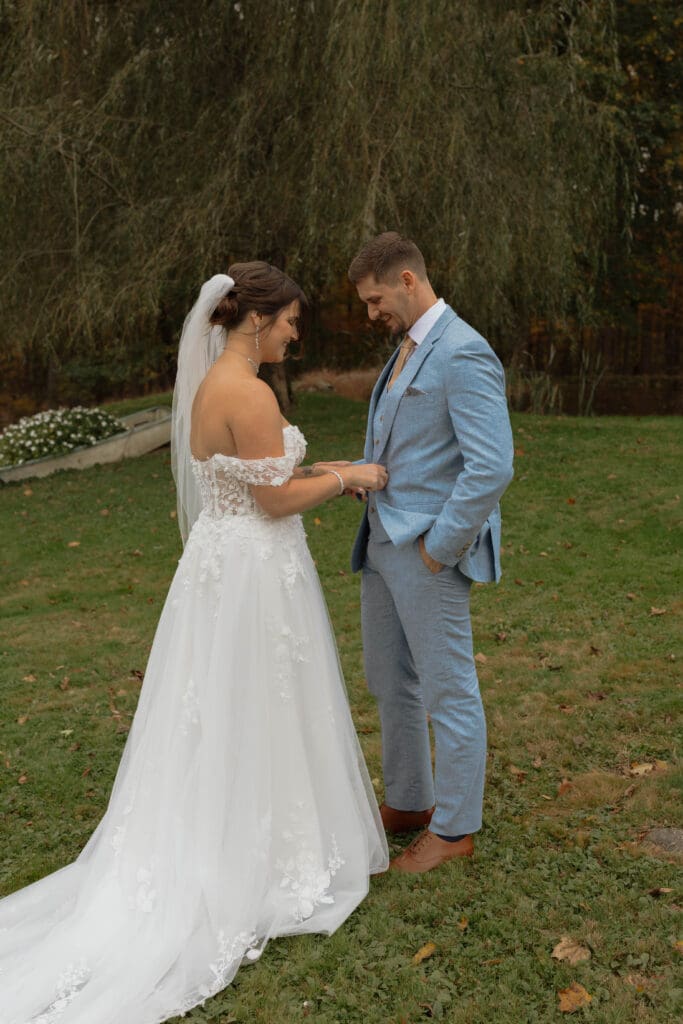
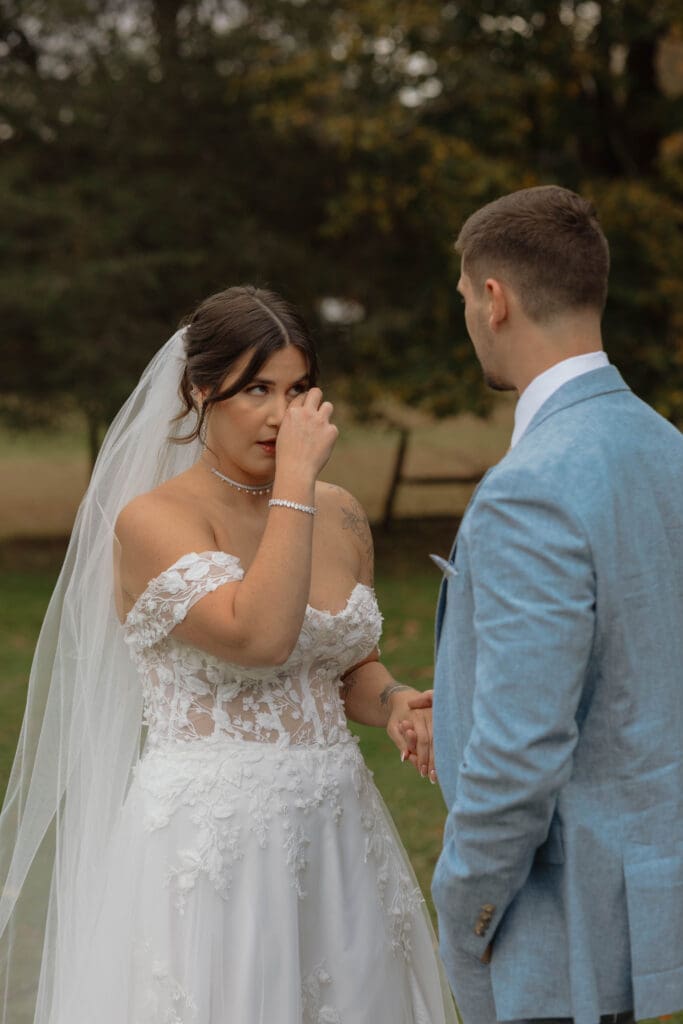
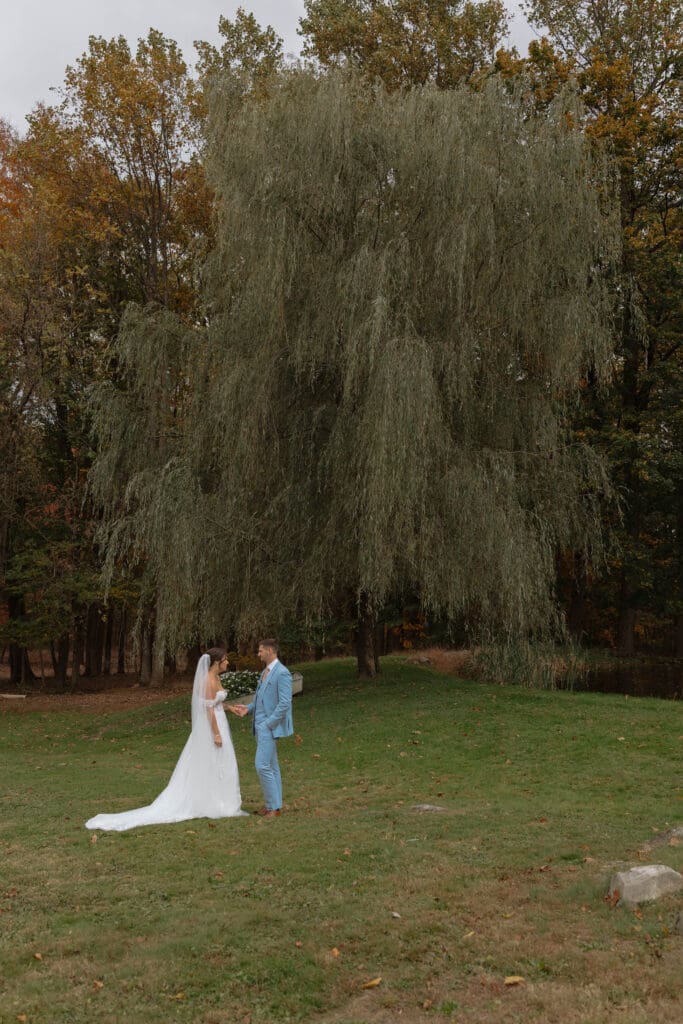
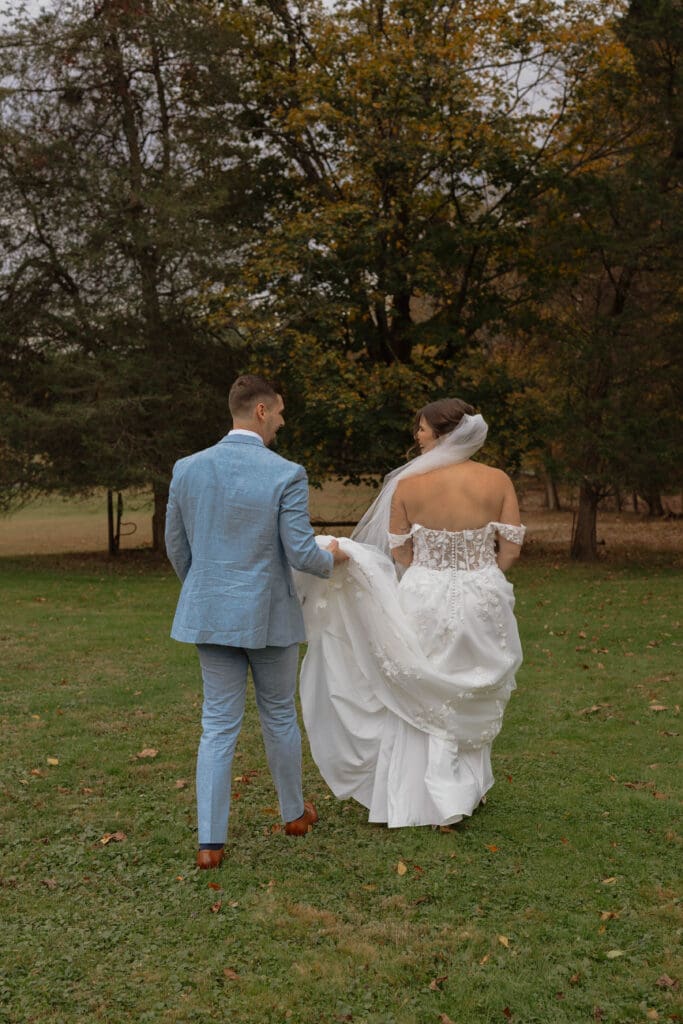
Emily & Dylan’s first look at Domain Pterion in Macungie, Pennsylvania.
Click here to see a preview of their engagement gallery before the wedding!
Why Your Wedding Day Timeline Matters More Than You Think
Your wedding timeline isn’t just about logistics—it directly impacts:
- How relaxed you feel throughout the day
- How much time you get with your partner
- The quality and variety of your wedding photos
- Whether moments feel joyful or rushed
When timelines are too tight, stress creeps in. When timelines are thoughtfully paced, couples can actually be present—and that always shows in photos.


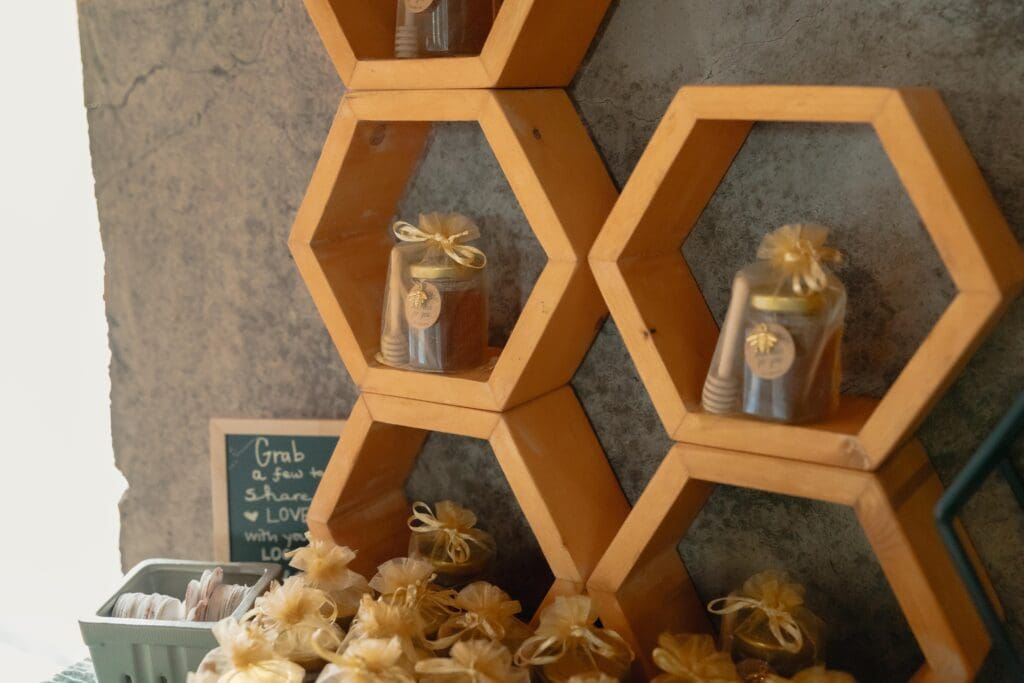
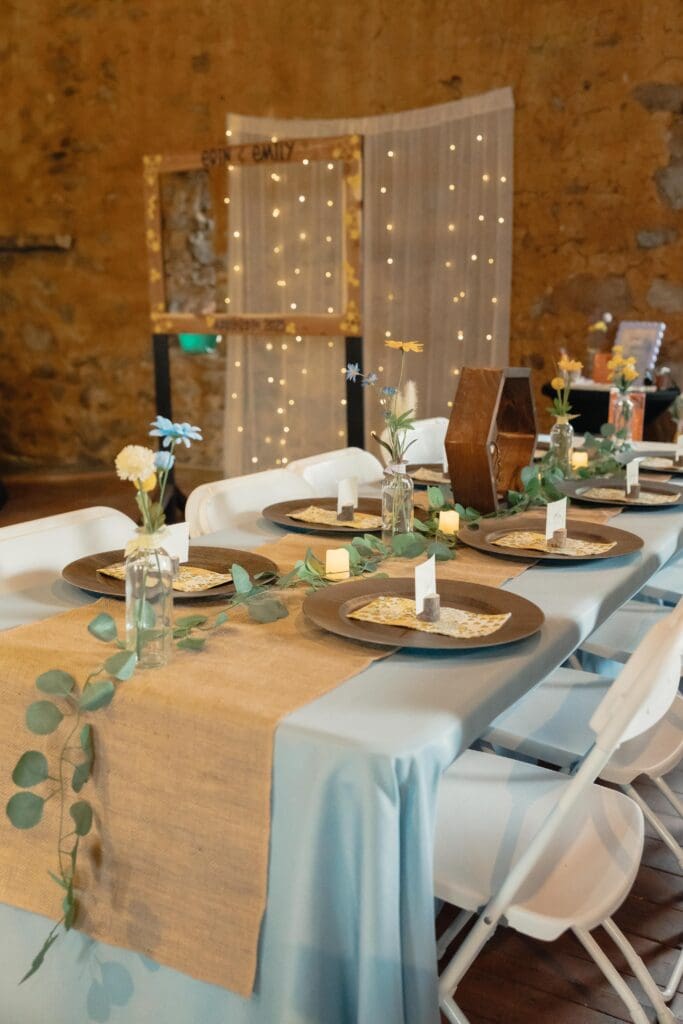
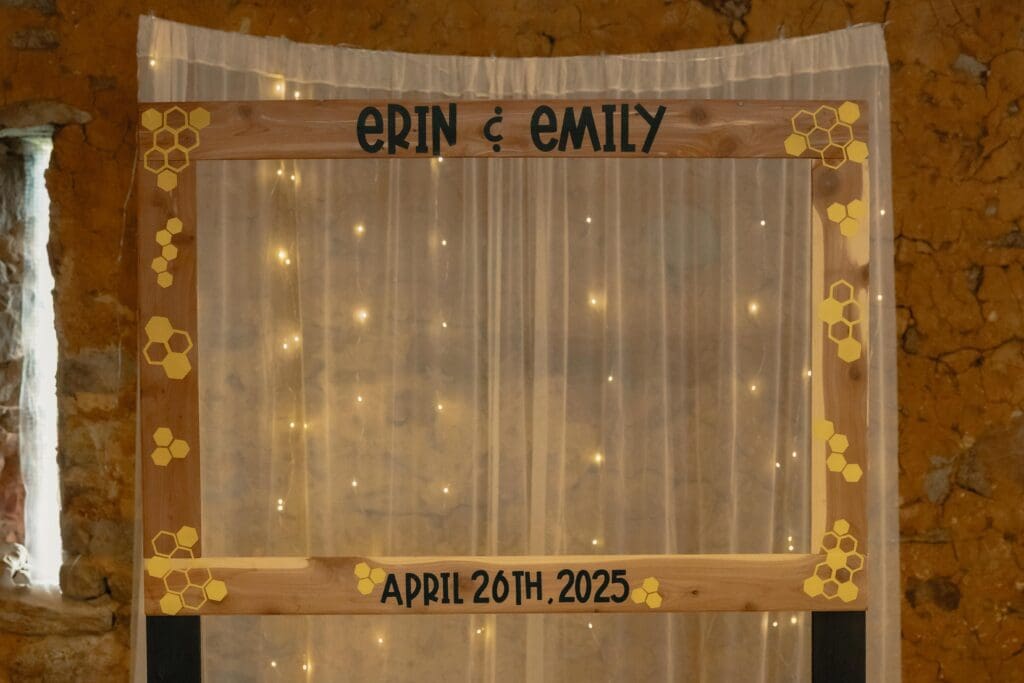
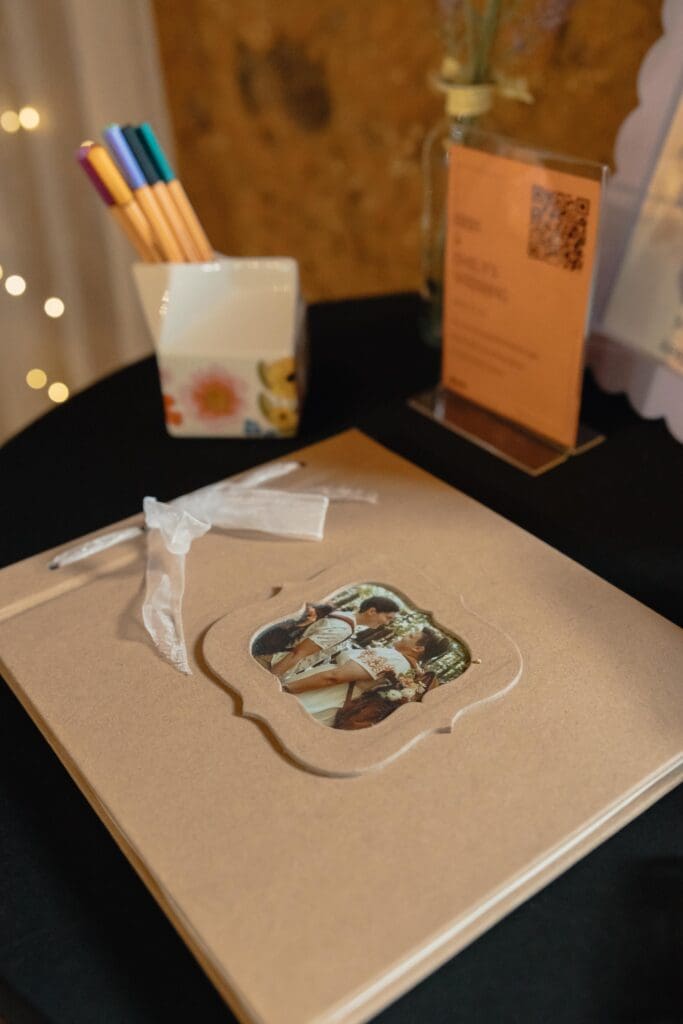
Emily & Erin’s wedding details at Longswamp Bed & Breakfast in Mertztown, Pennsylvania.
The Most Common Wedding Timeline Mistakes
Before building the ideal timeline, let’s avoid a few common pitfalls:
1. Underestimating How Long Things Take
Hair, makeup, getting dressed, family photos, travel—everything takes longer than expected. Tight timelines leave zero room for delays.
2. Scheduling Too Many Events Too Close Together
Stacking moments back-to-back means you’re constantly watching the clock instead of enjoying the day.
3. Booking Too Little Photography Coverage
This is one of the biggest regrets couples share after the wedding. Less coverage usually means:
- Rushed portraits
- Missed candid moments
- No breathing room if the day runs late
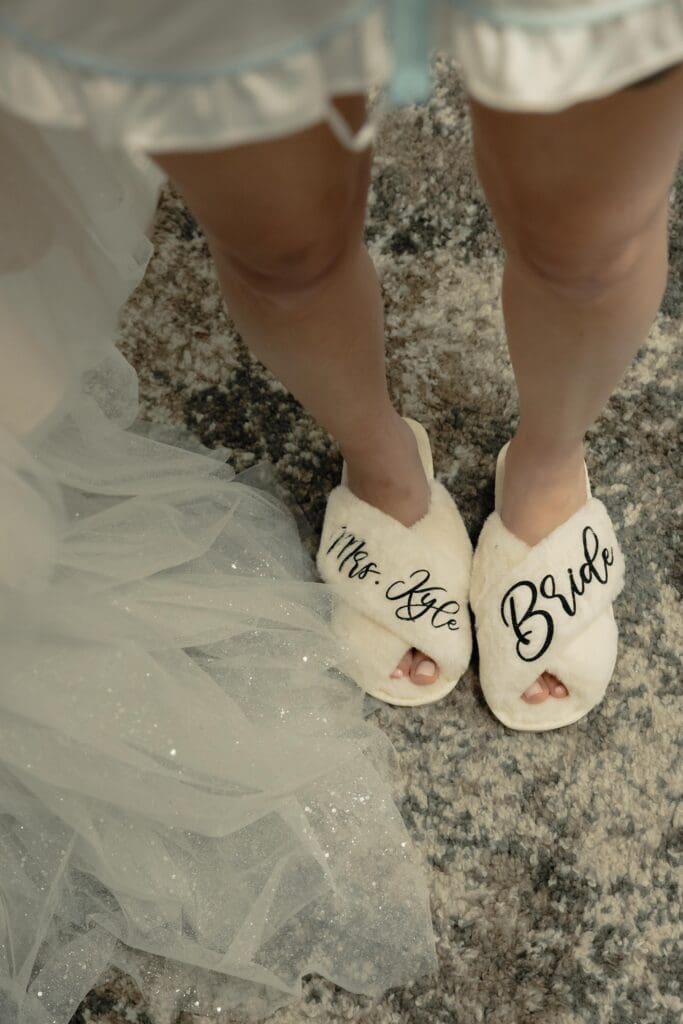
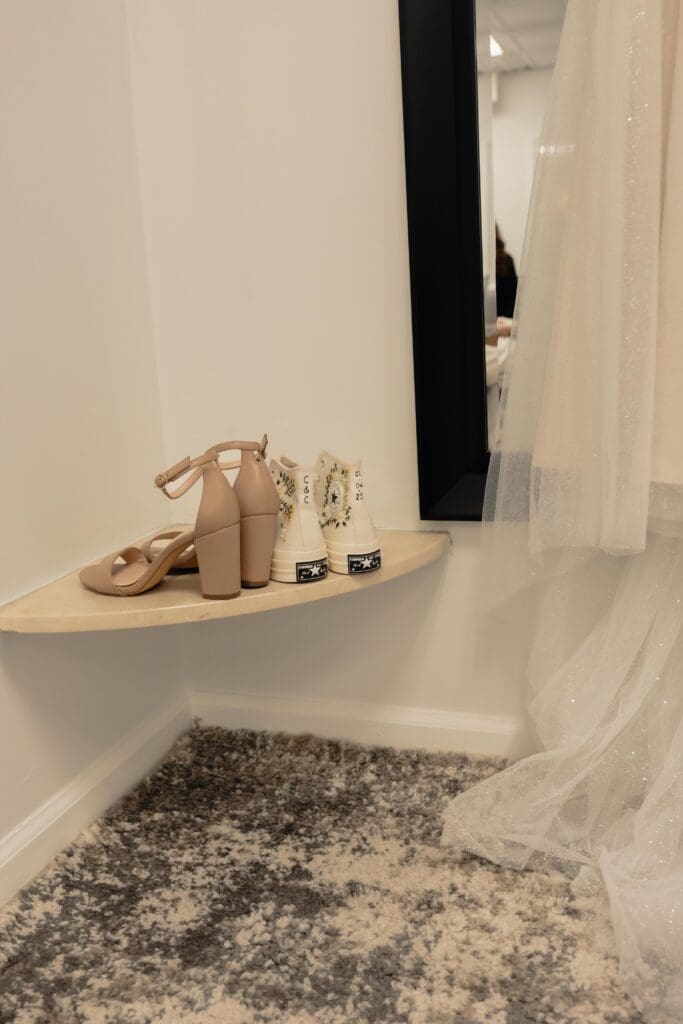
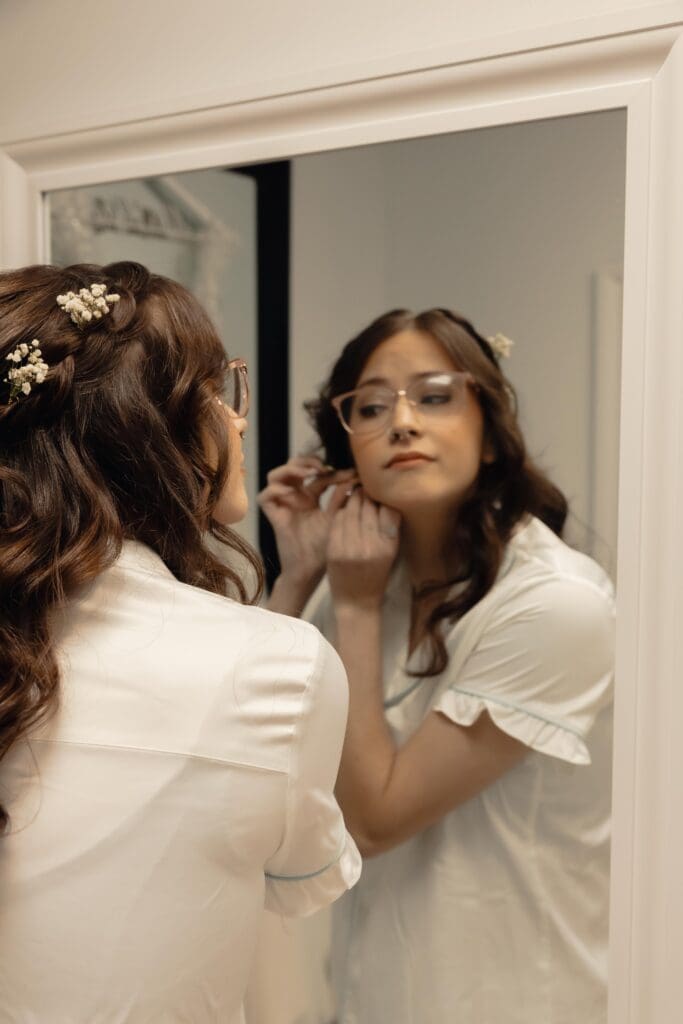
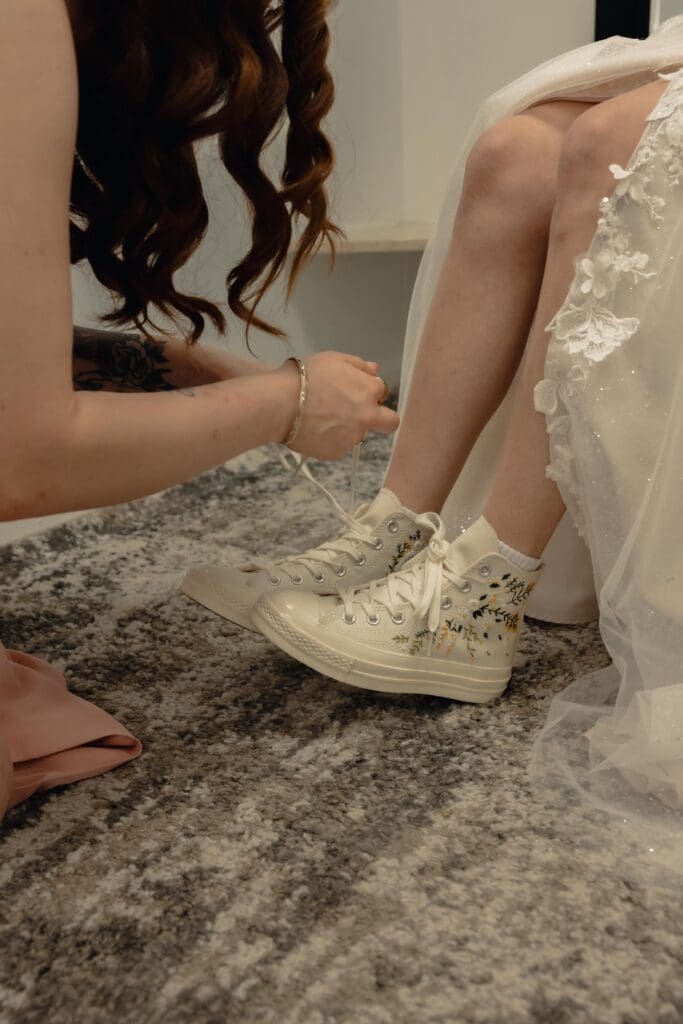
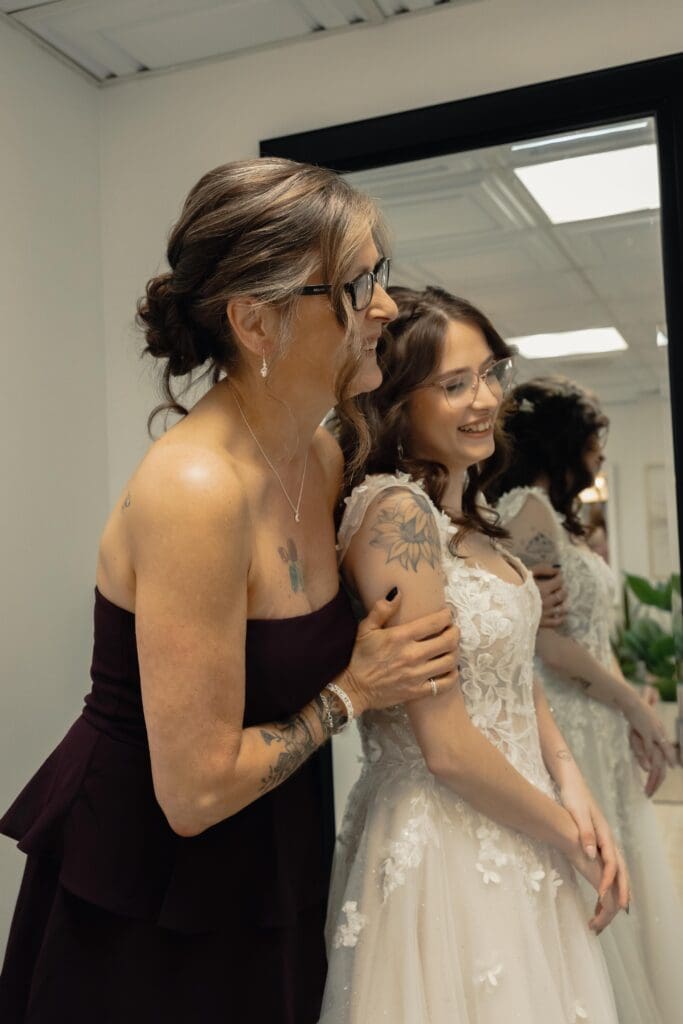
Calli getting ready to marry Chris at Valleybrook Country Club in Blackwood, New Jersey.
How to Structure a Stress-Free Wedding Day Timeline
Start With Your Ceremony Time
Your ceremony time is the anchor for your entire day. Everything else works backward from there.
From this point, we build in:
- Preparation time
- Portrait time
- Travel buffers
- Downtime
Sample Wedding Day Timeline (8–10 Hours of Coverage)
Getting Ready (2–2.5 Hours)
This portion sets the tone for the entire day.
What’s included:
- Hair & makeup finishing touches
- Details (dress, rings, invitations)
- Getting dressed
- Candid moments with your wedding party
✨ Tip: Starting coverage earlier allows this portion to feel relaxed instead of rushed—and results in beautiful, storytelling images.
First Look & Couples Portraits (45–60 Minutes)
Whether you choose a first look or not, this time is invaluable.
Why it matters:
- Private, emotional moments together
- Majority of couples portraits done early
- Less pressure later in the day
Couples who include a first look often say it’s the calmest moment of their entire wedding day.
Wedding Party & Family Photos (30–45 Minutes)
Scheduling these earlier keeps things efficient and allows you to enjoy cocktail hour later.
Ceremony (30 Minutes)
This is the heart of the day. Building buffer time before the ceremony ensures everyone arrives calm and present.
Cocktail Hour (60 Minutes)
While guests mingle, this is often when:
- Remaining family photos happen
- Golden-hour portraits can begin (season dependent)
Couples with extended coverage rarely miss their entire cocktail hour—they get the best of both worlds.
Reception & Golden Hour (2.5–4 Hours)
This portion includes:
- Grand entrances
- First dances
- Toasts
- Dinner
- Sunset portraits
- Open dancing
Golden hour portraits are often the favorite images in a gallery—and they require time flexibility to happen naturally.
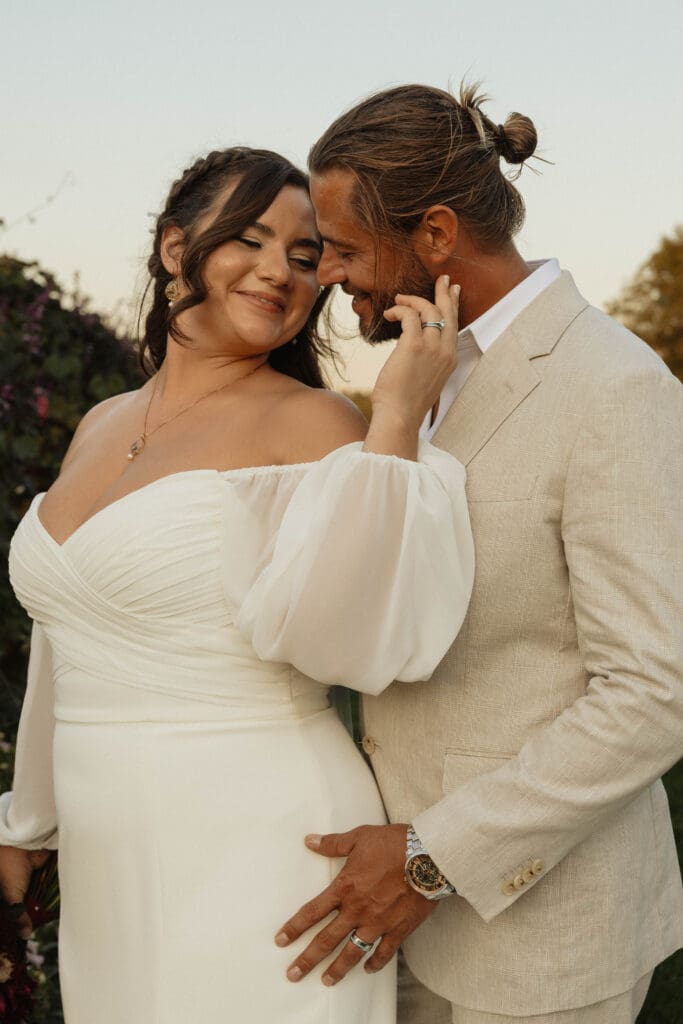
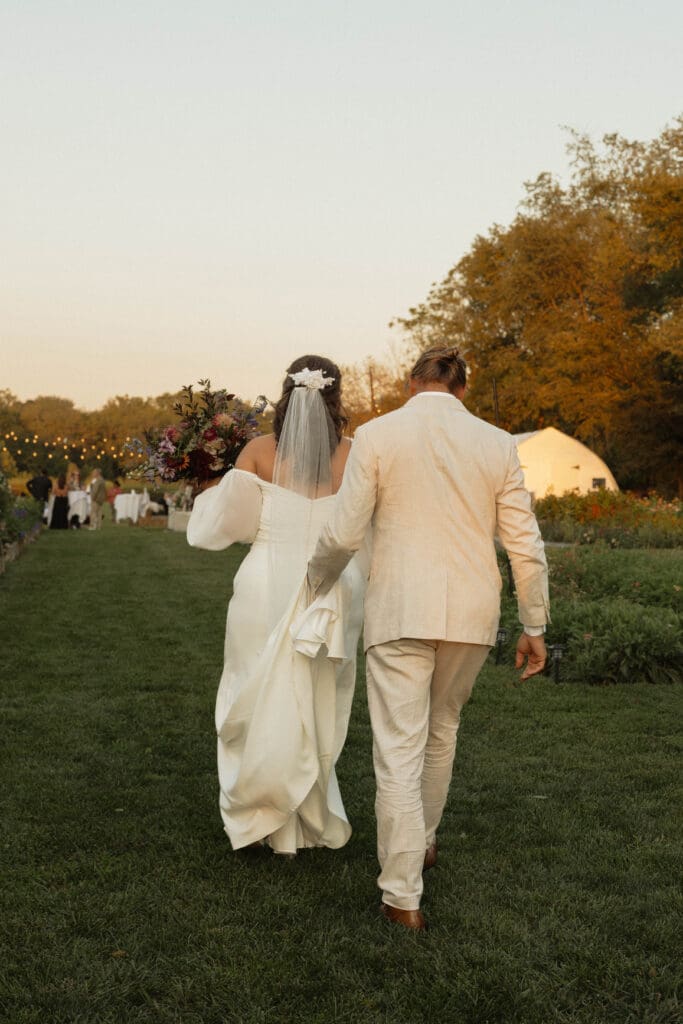
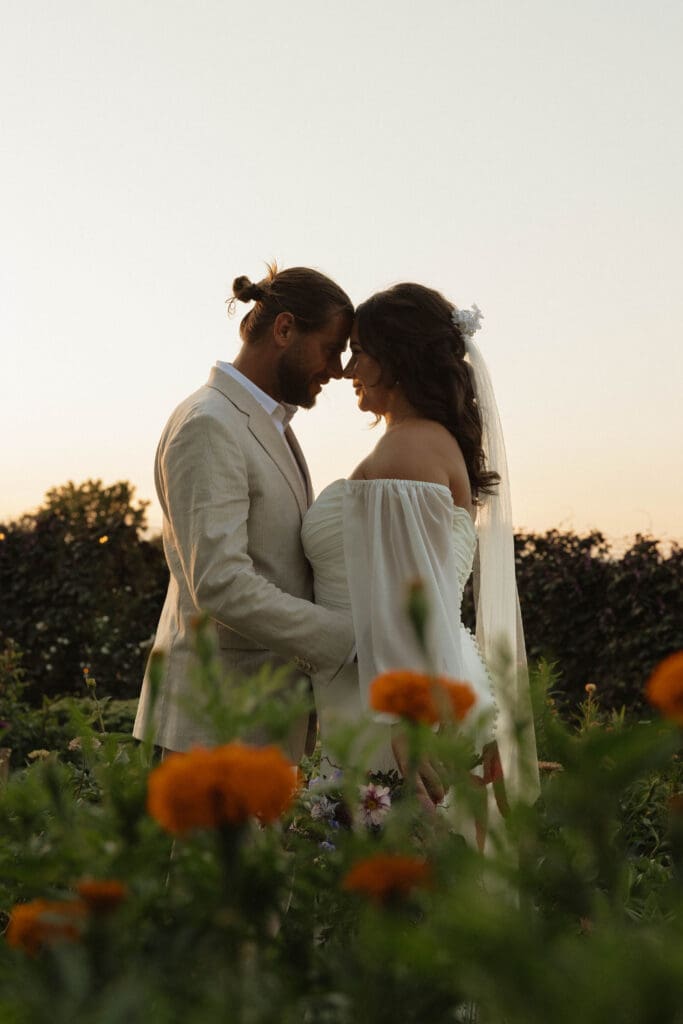
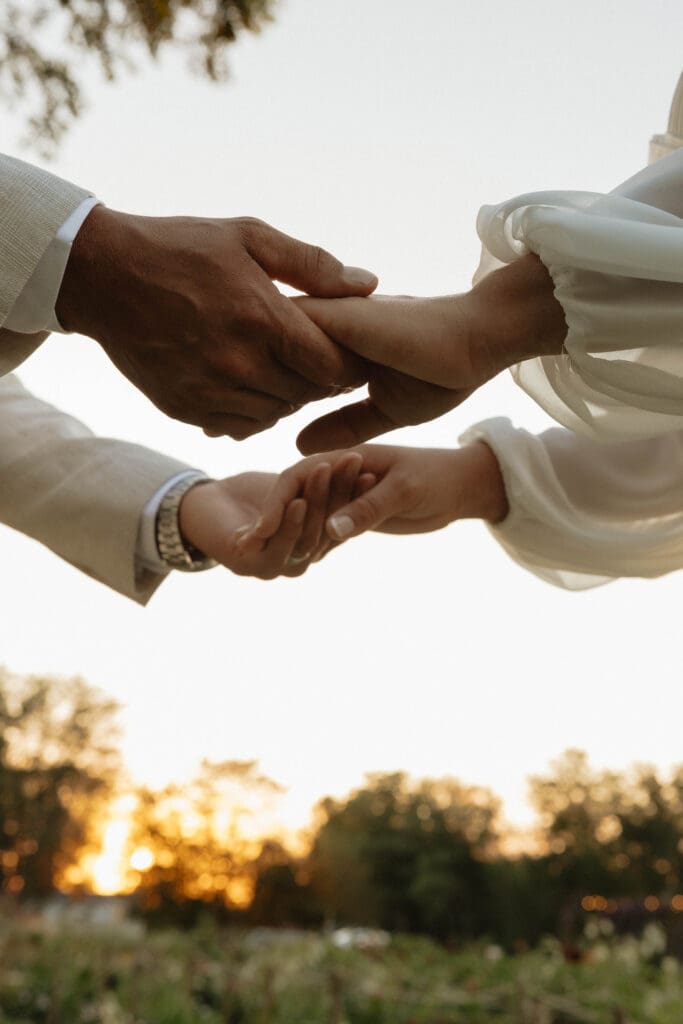
Newlywed portraits from Melissa & Hector’s backyard wedding in Allentown, Pennsylvania.
Why More Coverage = Less Stress
When couples book additional coverage, the biggest benefits are:
- No rushing through portraits
- Built-in buffer time for delays
- More candid, emotional moments captured
- A calmer, more enjoyable experience overall
Rather than squeezing everything into a tight schedule, extended coverage allows your day to unfold naturally—exactly how it should.
How a Photographer Helps Build the Perfect Timeline
An experienced wedding photographer doesn’t just show up with a camera—we help design your day in a way that supports:
- Lighting
- Flow
- Emotional moments
- Your overall experience
When photography coverage aligns with your timeline, the result is a wedding day that feels effortless.
Final Thoughts: Your Day Deserves Time
Your wedding day isn’t meant to be rushed. It’s meant to be felt, experienced, and remembered.
A thoughtfully structured timeline—and enough coverage to support it—creates space for joy, connection, and moments you didn’t even realize were happening.
If you’re currently planning your wedding and want help creating a timeline that feels calm, intentional, and true to you, I’d love to help.


